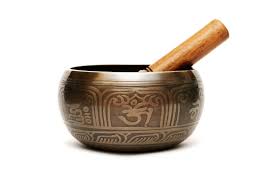
Singing bowls—also known as Himalayan bowls—are more than just beautiful instruments. Their soothing tones have echoed through centuries, carrying with them a rich history rooted in spirituality, healing, and tradition.
Origins in the Himalayas
The exact origin of singing bowls remains somewhat mysterious, but most historians trace them back over 2,000 years to the Himalayan regions, particularly present-day Nepal, Tibet, and parts of India. Early forms of these bowls were believed to be crafted by artisans who combined multiple metals, often including copper, tin, zinc, iron, and sometimes even gold and silver.
These multi-metal compositions were not random—they were thought to correspond to celestial bodies, connecting the bowls to cosmic energy and spiritual balance.
Spiritual and Ritual Significance
Singing bowls have long been associated with Buddhism, especially in Tibetan spiritual practices. Monks used them during meditation, prayer, and rituals to create a calming atmosphere and help deepen concentration.
The sound produced by the bowls is said to guide the mind into a meditative state, making them powerful tools for mindfulness and inner peace. In monasteries, the vibrations were also believed to purify the environment and align the body’s energy.